
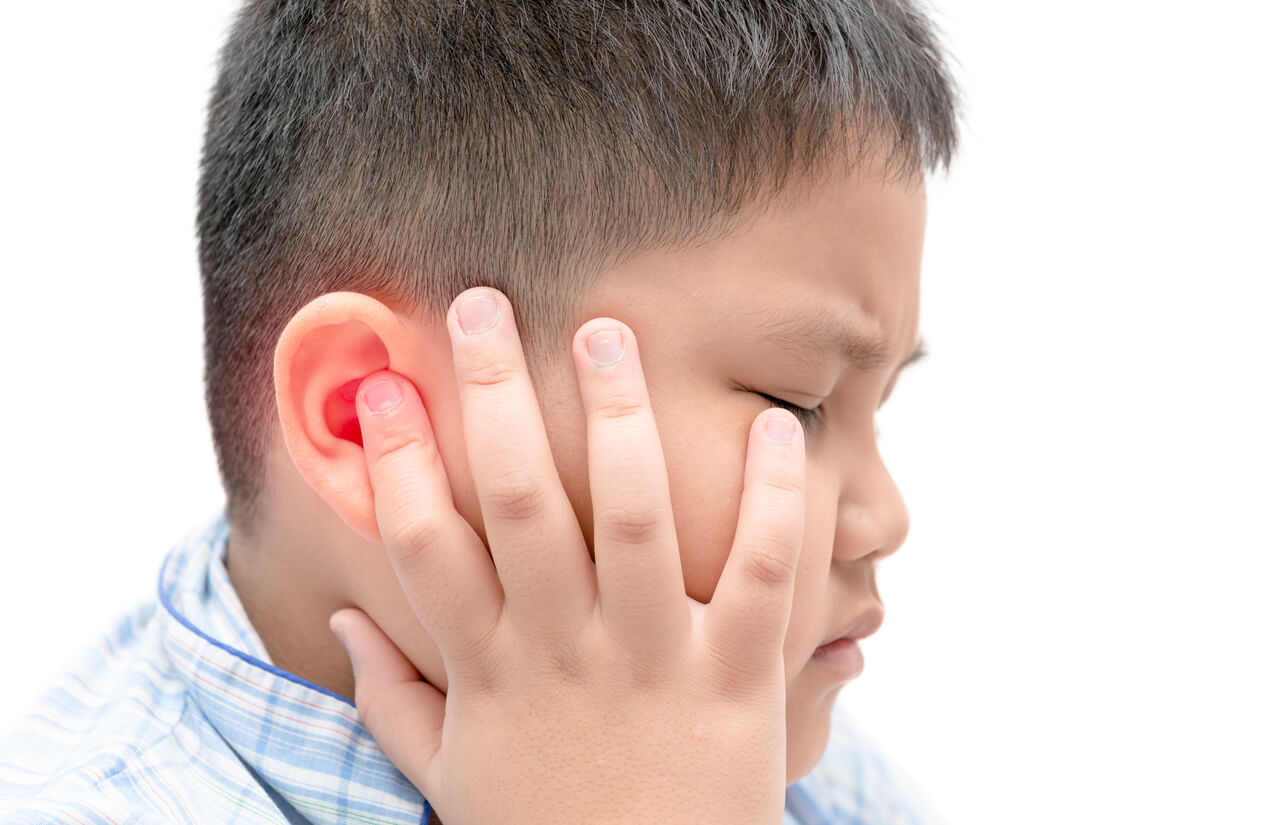
Effective treatment of ear infections can help reduce or completely stop earaches and ringing. Addressing the root cause with proper medical care is crucial for relief and long-term benefits. In short,
- Treating an ear infection early can alleviate earache and decrease the likelihood of complications.
- Medical interventions such as antibiotics or ear drops target the source of infection to stop symptoms.
- Persistent symptoms, like ringing, may require additional evaluation to ensure full resolution.
Dealing with an earache or persistent ringing in your ears can disrupt your entire day. Whether you are experiencing a sharp pain, a dull ache, or a frustrating buzzing sound, these symptoms often point to a middle ear infection.
Understanding the root cause of your discomfort is the first step toward finding relief. Prompt ear infection treatment not only relieves pain and discomfort but also improves your overall quality of life. By addressing the infection early, you can prevent more severe complications, such as long-term hearing loss or chronic ear issues.
Understanding Ear Infections and Their Impact
Ear infections are a common ailment. According to Johns Hopkins, five out of six children experience at least one by their third birthday. Understanding what happens inside your ear during an infection can help you recognize why certain symptoms occur and when to seek treatment.
What is an Ear Infection?
An ear infection, medically known as otitis media, is an inflammation of the middle ear. This is the air-filled space located directly behind your eardrum. It contains tiny, delicate vibrating bones that are absolutely essential for processing sound and maintaining your hearing.
When you get an ear infection, fluid builds up in this normally clear space. This fluid buildup creates uncomfortable pressure against the eardrum. As a result, you experience the hallmark symptoms of pain, pressure, and general discomfort.
Why Prompt Ear Infection Treatment is Crucial
Seeking prompt ear infection treatment is vital for alleviating painful symptoms like severe earaches, high fevers, and ringing in the ears. When you treat the condition early, you stop the infection from spreading or worsening.
Delaying care can lead to painful complications, such as a perforated eardrum or chronic fluid buildup. In severe cases, untreated infections might even impact your long-term hearing abilities.
Addressing the issue quickly improves your physical well-being and allows you to return to your daily routine without disruption.
Can an Ear Infection Cause Ringing in the Ears?
Many patients wonder if the sudden, annoying ringing in their ears is related to their earache. The short answer is yes. Ringing in the ears, known as tinnitus, is a common side effect of an ear infection, with studies showing that it can affect up to 43% of individuals with middle ear issues.
The Link Between Fluid Buildup and Tinnitus
To understand why your ear is ringing, you have to look at how your ear processes sound. Sound waves travel through your ear canal and vibrate the eardrum. The tiny bones in your middle ear then amplify these vibrations.
When you have an ear infection, thick fluid and inflammation surround these bones. This prevents them from vibrating correctly, which muffles outside sounds. In response to this temporary hearing loss, your brain sometimes creates its own sounds, resulting in a continuous ringing, buzzing, or hissing noise.
Will Treatment Stop the Ringing?
The good news is that ear infection treatment is highly effective at resolving this temporary tinnitus. As the infection clears and the trapped fluid drains from your middle ear, the pressure normalizes.
Once your eardrum and middle ear bones can vibrate freely again, your hearing will return to normal. Consequently, the ringing or buzzing sounds usually fade away entirely. If the ringing persists long after the infection clears, it is important to follow up with your doctor for further evaluation.
Recognizing the Symptoms of an Ear Infection
Ear infection symptoms can vary significantly between children and adults. Recognizing these signs early allows for timely and effective intervention.
Common Signs in Children
Children, especially infants and toddlers, are highly susceptible to ear infections. A persistent or throbbing earache is the most common symptom, and the pain often worsens when lying down.
Because young children cannot always communicate their pain, you might notice non-verbal cues. They may frequently tug, pull, or rub at their ears. Other frequent symptoms include a mild to high fever, increased fussiness, and difficulty sleeping due to the uncomfortable pressure in their head.
Symptoms in Adults and Potential Complications
Adults also experience distinct symptoms, typically describing the pain as sharp, dull, or throbbing. Muffled hearing or temporary hearing loss is incredibly common, directly caused by fluid blocking sound transmission.
You might also experience a feeling of fullness or heavy pressure inside the ear canal. If you notice any fluid drainage, it could indicate that the eardrum has ruptured due to excessive pressure.
As mentioned earlier, ear infection tinnitus is another frustrating symptom that adults frequently endure.
Causes and Risk Factors
Ear infections rarely happen out of nowhere. They frequently develop following a viral illness, such as a cold or the flu. This can cause the Eustachian tubes — the narrow passages connecting the middle ear to the back of the throat — to swell or become blocked.
Common Causes
The most common causes of ear infections include:
- Bacterial Infections: Bacteria such as Streptococcus pneumoniae and Haemophilus influenzae are the most common cause of middle ear infections, often spreading from the respiratory tract to the ear.
- Viral Infections: Viruses responsible for the common cold or flu can lead to inflammation and fluid buildup in the middle ear, creating an environment where secondary bacterial infections may develop.
- Allergies: Seasonal or chronic allergies can cause swelling of the nasal passages and Eustachian tubes, which traps fluid in the middle ear and promotes the growth of infectious agents.
Key Risk Factors
Several factors can increase the likelihood of developing an ear infection.
- Age: Infants and young children between six months and two years old are highly vulnerable due to their still-developing immune systems and the horizontal shape of their Eustachian tubes.
- Environmental Factors: Exposure to secondhand smoke can impair the immune system and irritate delicate ear tissues. Spending time in group settings, like daycares, also increases exposure to viruses.
- Chronic Conditions: Individuals with seasonal allergies face a higher predisposition to recurring ear issues.
Diagnosing Ear Infections Accurately
Accurate diagnosis is the foundation of an effective ear infection treatment plan. Healthcare providers rely on specialized tools and a thorough physical examination to assess the health of your middle ear.
Clinical Examination
During your visit, a healthcare provider will use a lighted instrument called an otoscope to visually inspect your eardrum. They look for obvious signs of infection, such as redness, swelling, bulging, or visible fluid behind the eardrum.
They may also perform a pneumatic otoscopy. This involves gently puffing a small amount of air into the ear canal to observe how the eardrum moves. If fluid is present, the eardrum will barely move. A detailed medical history, including the duration of your symptoms and any past infections, helps confirm the diagnosis.
Differentiating Types of Ear Infections
Not all ear infections are the same. Your doctor will determine which specific type you have to ensure you receive the most precise care.
- Acute Otitis Media (AOM): This is the most common type, characterized by a rapid onset of ear pain, fever, and fluid trapped behind the eardrum.
- Otitis Media with Effusion (OME): This occurs when fluid remains trapped behind the eardrum long after an initial infection has resolved.
- Chronic Otitis Media: This persistent infection doesn’t heal easily and requires specialized care to prevent long-term complications.
It is essential to consult with a healthcare professional to accurately diagnose and effectively treat the specific type of otitis media, ensuring optimal ear infection treatment.
Effective Ear Infection Treatment Options
The primary goals of ear infection treatment are to relieve your pain, clear the underlying infection, and prevent the issue from returning. Your healthcare provider will tailor a treatment plan based on your age, the infection’s severity, and your medical history.
Medical Management and Antibiotics
For bacterial ear infections, doctors typically prescribe a targeted course of antibiotics. It is vital to finish the entire prescription, even if your earache and ringing stop after a few days.
In some cases, especially with mild infections in older children, a doctor might recommend a “watchful waiting” approach for 48 hours to see if the immune system clears the infection naturally.
Over-the-counter pain relievers, such as ibuprofen or acetaminophen, are highly recommended to manage fever and discomfort during the healing process.
Ear Tubes and Surgical Options
If you or your child suffers from chronic, recurring ear infections, medication alone might not be enough. In these cases, an Ear, Nose, and Throat (ENT) specialist may recommend a minor surgical procedure.
This involves placing tiny ventilation tubes into the eardrum. These ear tubes help drain trapped fluid, equalize pressure, and significantly reduce the frequency of future infections. It is a safe, highly effective procedure that provides long-term relief for chronic sufferers.
At-Home Care and Symptom Relief
While waiting for medications to take effect, you can use simple at-home remedies to soothe an earache. Applying a warm, damp compress to the affected ear can provide immediate, comforting pain relief.
Staying well-hydrated helps thin out mucus, making it easier for the Eustachian tubes to drain. Getting plenty of rest is also essential, as it allows your immune system to focus its energy on fighting off the infection.
Preventing Future Ear Infections
Preventive care is an integral part of long-term ear health. Taking proactive steps can drastically reduce how often you or your family members deal with painful earaches.
Good hand hygiene is the first line of defense against the cold and flu viruses that often trigger ear infections. Wash your hands frequently with soap and water. Avoid exposure to secondhand smoke, which paralyzes the tiny cleaning hairs in your airway and ears.
Finally, stay up to date on recommended vaccinations, including the annual flu shot, to protect your body from infection-causing pathogens.
Seek Professional Ear Infection Treatment in Georgetown, TX
While mild ear congestion might resolve on its own, it is crucial to know when to seek professional medical attention. Persistent earaches, worsening tinnitus, and lingering pressure require a healthcare provider’s expertise.
If you or your child experiences severe ear pain, a high fever, visible fluid drainage, ear ringing, or a sudden decrease in hearing, you need prompt medical evaluation. Recurrent ear infections should always be discussed with a specialist to explore long-term management strategies and protect your hearing. Early intervention is the safest way to prevent complications and ensure a rapid recovery.
Our compassionate team is here to help you find relief. Call Georgetown ENT at (512) 869-0604 or use our online appointment request form to schedule your consultation today.
Frequently Asked Questions (FAQ)
How can I tell if I have an ear infection?
Common symptoms of an ear infection include ear pain, difficulty hearing, a feeling of fullness in the ear, or sometimes drainage. You may also experience dizziness, fever, or a headache. If you suspect an ear infection, it’s important to seek professional evaluation promptly to prevent complications.
Are ear infections contagious?
While the infection itself is not contagious, the viruses or bacteria that can cause ear infections can spread from person to person. Practicing good hygiene, such as washing your hands regularly and avoiding close contact with people who are ill, can help reduce your risk.
What treatments are available for ear infections?
Treatment options vary depending on the type and severity of the infection. Mild cases may resolve on their own, but more severe infections often require antibiotics, ear drops, or other medications.
Your specialist will work with you to determine the best course of action for your individual case.
