
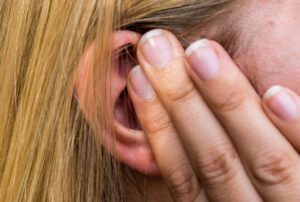
An earache requires immediate medical evaluation because it can indicate a rapidly worsening condition that might compromise your long-term hearing and overall well-being. Prevents permanent hearing loss. Early medical intervention stops fluid buildup and protects the delicate structural components of the inner ear. Stops infection from spreading. Prompt professional care prevents harmful bacteria from migrating…
What Causes an Earache and Inner Ear Pain?
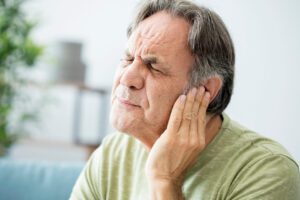
An earache is most frequently caused by bacterial infections, excess fluid trapped behind the eardrum, and referred pain from surrounding areas of the head and neck. Bacterial and viral infections. These pathogens create intense pressure and severe inflammation inside the ear canal. Excess fluid accumulation. Trapped fluid causes severe discomfort even without the presence of…
Why Are Hearing and Balance Connected? Understanding the Inner Ear

The connection between hearing and balance lies within the intricate design of the inner ear. In short, The inner ear houses both the cochlea, responsible for hearing, and the vestibular system, responsible for balance, working together to ensure clear communication between the brain and body. Changes in inner ear fluid pressure can trigger both dizziness…
Anterior vs. Posterior Nosebleeds: Why Location Matters for Treatment

In short, the location of a nosebleed, whether anterior or posterior, plays a crucial role in determining the appropriate treatment approach. In short, Most nosebleeds are harmless, anterior episodes that begin in the front of the nose, and you can usually stop them at home with simple pressure. Posterior nosebleeds start deeper in the nasal…
What Happens During Your First Visit to a Hearing Aids Doctor?

In short, your first visit to a hearing aids doctor near you is an essential step in understanding your hearing health and exploring personalized solutions. Here’s what to expect: Comprehensive Hearing Evaluation: The doctor will conduct detailed tests to assess your hearing levels and identify any specific issues. Personalized Consultation: You’ll discuss your lifestyle, concerns,…
What Causes Pain Inside the Ear?

Hearing Loss Symptoms and Causes: Understanding What’s Behind the Changes in Hearing

Noticing the early signs of auditory decline is the first step toward finding an effective treatment. When you understand the underlying causes of these issues, you can make informed decisions about your medical care. Common signs of decline: Hearing loss symptoms often start with difficulty understanding speech in noisy environments. Aging and noise exposure: These…
Can Hearing Loss in One Ear Be Permanent or Temporary?

Hearing loss in one ear can be temporary or permanent, depending on the underlying medical cause. Temporary cases often stem from easily treatable issues like earwax buildup or ear infections. Permanent cases typically result from nerve damage, severe trauma, or sudden sensorineural conditions that require immediate medical intervention. Earwax and infections. These common issues often…
What Is Sudden Hearing Loss in One Ear?

Sudden hearing loss in one ear, medically known as sudden sensorineural hearing loss (SSHL), is a rapid and unexplained loss of hearing. Here are the key points to understand: Sudden hearing loss in one ear is a medical emergency that requires immediate professional attention. Prompt diagnosis and treatment, ideally within 72 hours of onset, significantly…
Hearing Loss Symptoms by Age: Children, Adults, and Seniors

Hearing loss symptoms can manifest differently across various age groups, from subtle changes in children to more noticeable declines in seniors. In short, Hearing loss symptoms vary significantly by age, requiring age-specific awareness. Early detection is crucial for effective intervention, as it significantly impacts a child’s development and an adult’s quality of life. Timely evaluation…
