
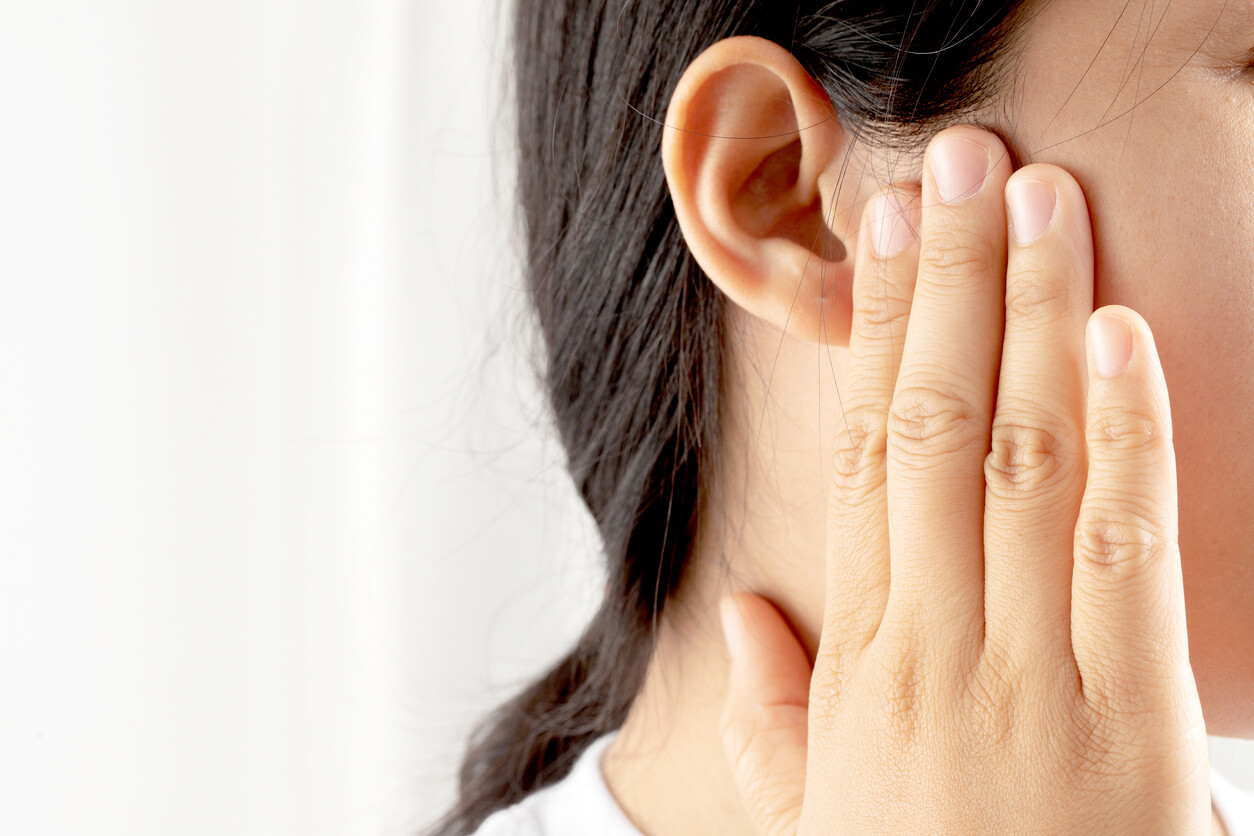
In short, ear infection treatment often shows results within two to three days, but full recovery can take up to two weeks.
- Initial Relief: Symptoms like pain and fever typically begin to improve within 48 to 72 hours of starting treatment.
- Antibiotic Course: It is crucial to finish the entire prescribed course of antibiotics to prevent the infection from returning.
- Fluid Drainage: Fluid may remain in the ear for weeks after the infection clears, potentially affecting hearing temporarily.
An ear infection, known medically as otitis media, occurs when the space behind the eardrum becomes inflamed and filled with fluid. This is a common ailment, particularly in children, but adults are certainly not immune. While the body can sometimes fight off these infections on its own, medical intervention is often necessary to speed up healing and prevent complications.
This guide explores the typical timeline for improvement, factors that influence healing, and why adhering to your ear infection treatment plan is vital for long-term health.
How Long Does Ear Infection Treatment Take to Work?
The timeline for symptom improvement largely depends on the severity of the infection and the chosen method of care. Most people notice a significant reduction in pain and fever within two to three days of starting antibiotics. However, this does not mean the infection is entirely gone.
According to the Centers for Disease Control and Prevention (CDC), while antibiotics are helpful for some ear infections, many mild cases will improve on their own without them. Your doctor might suggest a “wait-and-see” approach for two to three days if symptoms are mild. If symptoms worsen or fail to improve, antibiotics are usually the next step.
Once antibiotics are prescribed, you should see a turnaround quickly. If you do not see improvement within 48 to 72 hours, it is important to contact your healthcare provider. They may need to adjust the medication or re-evaluate the diagnosis.
What Are the Stages of Recovery?
Recovery from an ear infection is not instantaneous; it happens in stages. Understanding these stages helps you monitor progress effectively.
Day 1–3: The Acute Phase
During the first few days, symptoms are at their peak. You or your child may experience severe ear pain, trouble sleeping, and fever.
If antibiotics are prescribed, this is when they begin to attack the bacteria causing the infection. Over-the-counter pain relievers like acetaminophen (Tylenol) or ibuprofen (Advil) can help manage discomfort during this time.
Day 4–7: Symptom Reduction
By the fourth day, the acute pain should subside significantly. The fever usually breaks, and appetite returns to normal.
Even though you feel better, the bacteria may still be present. Stopping medication early during this phase is a common mistake that can lead to a relapse.
Week 2 and Beyond: Clearing the Fluid
While the infection itself might be cleared, fluid can remain trapped behind the eardrum for weeks or even months. This is called otitis media with effusion.
During this time, you might notice a feeling of fullness in the ear or mild hearing loss. This usually resolves on its own, but persistent fluid may require follow-up with a specialist.
Why Is Completing Ear Infection Treatment Important?
One of the most critical aspects of ear infection treatment is finishing the full course of antibiotics. It is tempting to stop taking the medication once the pain disappears, but this can be dangerous.
When you stop antibiotics early, the stronger bacteria that have not yet been killed can multiply. This leads to antibiotic resistance, making future infections much harder to treat.
How Do Antibiotics Affect the Timeline?
Antibiotics are the gold standard for bacterial ear infection treatment, but they are not always necessary. Viral infections, for instance, do not respond to antibiotics and must run their course.
When antibiotics are appropriate, amoxicillin is frequently the first choice. Improvement is typically seen within 48 to 72 hours.
If the infection is resistant to the initial antibiotic, a different medication may be required. This can extend the timeline for symptom relief.
What Factors Can Delay Healing?
Several factors can slow down the effectiveness of ear infection treatment.
- Antibiotic Resistance: If the bacteria causing the infection are resistant to the prescribed medication, symptoms will persist.
- Viral Causes: If the root cause is a virus rather than bacteria, antibiotics will not help, and the body needs time to fight the virus naturally.
- Environmental Irritants: Exposure to cigarette smoke or allergens can irritate the Eustachian tubes and prolong inflammation.
- Anatomical Issues: Children with smaller or more horizontal Eustachian tubes may have a harder time draining fluid, leading to longer recovery times.
What Are the Signs That Ear Infection Treatment Is Not Working?
Knowing when to call the doctor is just as important as starting treatment. If symptoms persist or worsen, it may indicate a complication.
Watch for these warning signs:
- Fever remains high after two days of antibiotics.
- Pain becomes severe or spreads to the neck.
- Swelling develops behind the ear.
- Discharge drains from the ear (which could indicate a ruptured eardrum).
- The child appears lethargic or unresponsive.
If any of these occur, seek medical attention immediately.
Can Home Remedies Support Medical Treatment?
While medical intervention is often needed, home remedies can provide comfort alongside your prescribed ear infection treatment.
- Warm Compress: Applying a warm, moist cloth to the affected ear can help soothe pain.
- Hydration: Drinking plenty of fluids helps thin mucus and promotes drainage.
- Elevation: Sleeping with the head elevated can reduce pressure in the ear.
However, avoid putting anything inside the ear, such as cotton swabs or oils, unless directed by a doctor.
How Does Ear Infection Treatment Differ for Adults and Children?
While the biological mechanism of an ear infection is similar, the approach to treatment can vary by age.
Children are more prone to ear infections due to their developing immune systems and anatomy. Because of this, doctors are often more aggressive with monitoring, though they may start with watchful waiting for older children.
In adults, ear infections are less common and can sometimes signal other underlying issues, such as immune deficiencies or structural abnormalities. Adults generally receive antibiotics immediately because the risk of spontaneous recovery is lower compared to children.
Furthermore, symptoms in adults can be more severe. Hearing loss or vertigo may be more pronounced, prompting a need for swift ear infection treatment to restore daily function.
What Happens if Fluid Remains After Treatment?
It is quite common for fluid to persist in the middle ear after the active infection has cleared. This condition is typically painless but can cause a sensation of ear fullness or “popping.”
Most of the time, this fluid drains naturally within three months. In cases where fluid persists beyond three months or causes significant hearing loss, an ear, nose, and throat (ENT) specialist should be consulted.
When Should You See an ENT Specialist?
Frequent ear infections or persistent fluid may require specialized care. You should consider seeing an ENT if:
- You or your child experience more than three ear infections in six months.
- You have four infections in a year.
- Hearing loss persists after the infection clears.
- Ear infection treatment with antibiotics consistently fails.
Specialists can offer advanced diagnostic tools and treatment options that a general practitioner might not provide.
Effective Ear Infection Treatment in Georgetown, TX
At Georgetown ENT, we specialize in comprehensive ear care for patients of all ages. Whether you are dealing with a one-time infection or chronic ear issues, our experienced team is here to provide the relief you need.
Do not let ear pain disrupt your life any longer. Call us today at (512) 869-0604 or request an appointment online to request an appointment.
