
In short, restoring hearing depends entirely on the underlying cause, ranging from medical intervention for infections to advanced technology for nerve damage.
- Identify the root cause. Determining whether the issue is conductive blockage or sensorineural damage dictates the treatment path.
- Seek immediate attention. Sudden hearing issues require urgent medical care within days to maximize the chances of full recovery.
- Utilize advanced technology. Solutions like CROS aids and bone-anchored implants provide effective management when natural restoration is impossible.
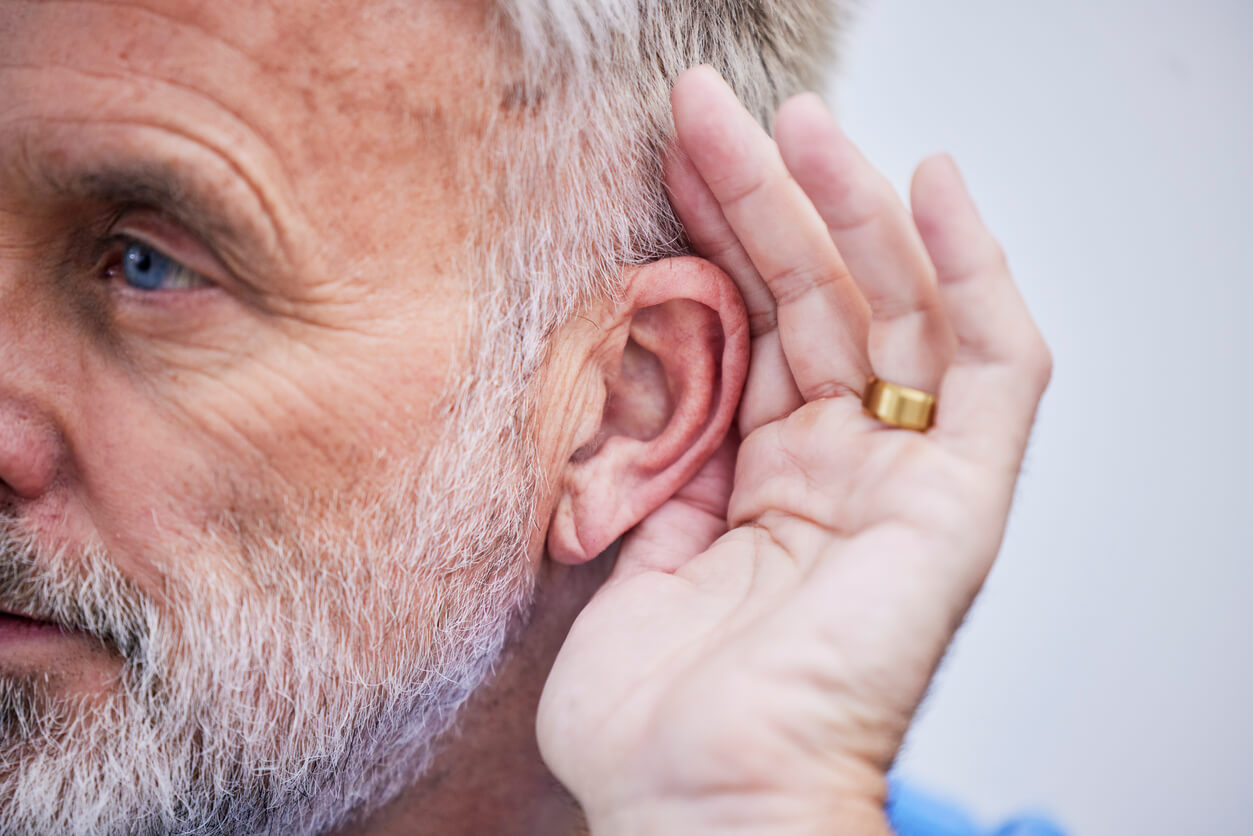
Experiencing hearing loss in one ear can be a disorienting and frightening experience for patients of any age. You might notice that you cannot locate where sounds are coming from or that you struggle to follow conversations in crowded rooms. This condition, medically known as unilateral hearing loss or single-sided deafness, presents unique challenges that differ from losing hearing in both ears.
The path to restoration relies heavily on how quickly an accurate diagnosis is given. While some causes are temporary and easily fixable, others signal medical emergencies that require immediate intervention.
We will explore the various causes, medical treatments, and technological solutions available to help you regain hearing.
Understanding Unilateral Hearing Loss
Unilateral hearing loss occurs when hearing is diminished or completely lost in only one ear while the other remains normal. The severity can range from mild difficulty to complete deafness.
To understand how to treat it, you must first understand the type of hearing loss. Conductive hearing loss involves a blockage preventing sound from reaching the inner ear. Sensorineural hearing loss involves damage to the inner ear or the nerve pathways to the brain.
Common Causes of Hearing Loss in One Ear
Identifying the cause is the first step toward recovery. A hearing healthcare professional must examine the ear to determine if the issue is structural, mechanical, or neurological.
Earwax Blockage and Infections
The most common and easily treatable causes are mechanical. A buildup of cerumen (earwax) can create a physical barrier that muffles sound. Similarly, otitis media (middle ear infection) creates fluid buildup that prevents the eardrum from vibrating correctly.
In these cases, hearing usually returns fully once the blockage or infection clears.
Sudden Sensorineural Hearing Loss (SSNHL)
This is a medical emergency. SSNHL is an unexplained, rapid loss of hearing usually affecting one ear. It can happen at once or over several days.
According to the National Institute on Deafness and Other Communication Disorders (NIDCD), only about 10 percent of people with this condition have an identifiable cause. Immediate treatment with corticosteroids gives the best chance of restoring hearing loss in one ear.
Acoustic Neuroma
An acoustic neuroma is a benign tumor that grows on the vestibular nerve, leading from the inner ear to the brain. As the tumor grows, it presses on the hearing nerve. This typically results in gradual hearing loss in one ear, tinnitus, and balance issues.
Meniere’s Disease
This disorder of the inner ear can cause dizzy spells (vertigo) and hearing loss. In many cases, Meniere’s disease affects only one ear. The hearing loss may fluctuate, but it can eventually become permanent without management.
Medical and Surgical Treatments
If you are wondering how to restore hearing loss in one ear, the answer often lies in pharmaceuticals or surgery.
Steroid Therapy
For sudden sensorineural hearing loss, time is essential. Physicians often prescribe corticosteroids (Prednisone) to reduce inflammation and swelling.
Surgical Intervention
If the loss is conductive, surgery is often highly effective. For example, otosclerosis causes the small bones in the middle ear to fuse. A stapedectomy can replace the immobilized bone with a prosthetic device, instantly restoring hearing capabilities.
If a tumor like an acoustic neuroma is the cause, surgical removal or radiation may be necessary. While the primary goal is preserving life and facial nerve function, hearing preservation is a priority whenever possible.
Technological Solutions for Management
When medical or surgical restoration is not possible, advanced technology provides a way to restore the sensation of hearing. These devices do not “cure” the ear but restore the ability to process sound from the affected side.
CROS and BiCROS Systems
Contralateral Routing of Signals (CROS) hearing aids are designed specifically for unilateral hearing loss. A transmitter is placed on the bad ear, and a receiver is placed on the good ear.
The transmitter picks up sound from the bad side and wirelessly sends it to the good ear. This allows the patient to hear sounds from their “blind” side without turning their head. This significantly reduces the head shadow effect, where the head blocks sound waves from reaching the working ear.
Bone-Anchored Hearing Systems
A bone-anchored hearing system (BAHS) uses the body’s natural ability to conduct sound through bone. A small titanium implant is surgically placed in the bone behind the deaf ear. A sound processor attaches to this implant.
The processor captures sound and sends vibrations through the skull bone directly to the inner ear of the hearing side. This bypasses the damaged outer and middle ear entirely. It is often a preferred solution for patients who cannot wear traditional hearing aids due to chronic ear infections.
Cochlear Implants
For years, cochlear implants were reserved for patients with deafness in both ears. However, in 2019, the FDA approved cochlear implants for single-sided deafness. Unlike CROS aids that route sound to the good ear, a cochlear implant stimulates the auditory nerve of the deaf ear directly.
Why Treating Unilateral Loss Is Critical
Some patients believe that because they have one “good” ear, they do not need to seek treatment. However, relying on one ear requires increased cognitive effort. This is often referred to as “listening effort,” which can lead to significant mental fatigue by the end of the day.
Furthermore, we require two ears for binaural hearing. Binaural hearing allows us to localize sound and filter out background noise. Without hearing loss in one ear, social situations become difficult, and safety is compromised because you cannot identify where alarms or traffic noises originate.
Hearing Loss in One Ear in Georgetown, TX
Do not ignore the warning signs. Whether the silence in one ear came on suddenly or gradually, it requires professional evaluation. From removing simple blockages to fitting advanced bone-anchored devices, the ability to restore or manage hearing loss in one ear has never been better.
If you are struggling with single-sided deafness or have noticed a change in your hearing, contact Georgetown ENT today. Our experienced team serves Georgetown and the surrounding communities with compassionate, specialized care.
Call Georgetown ENT today at (512) 869-0604 or request an appointment online to schedule your evaluation and take the first step toward better hearing health.
