
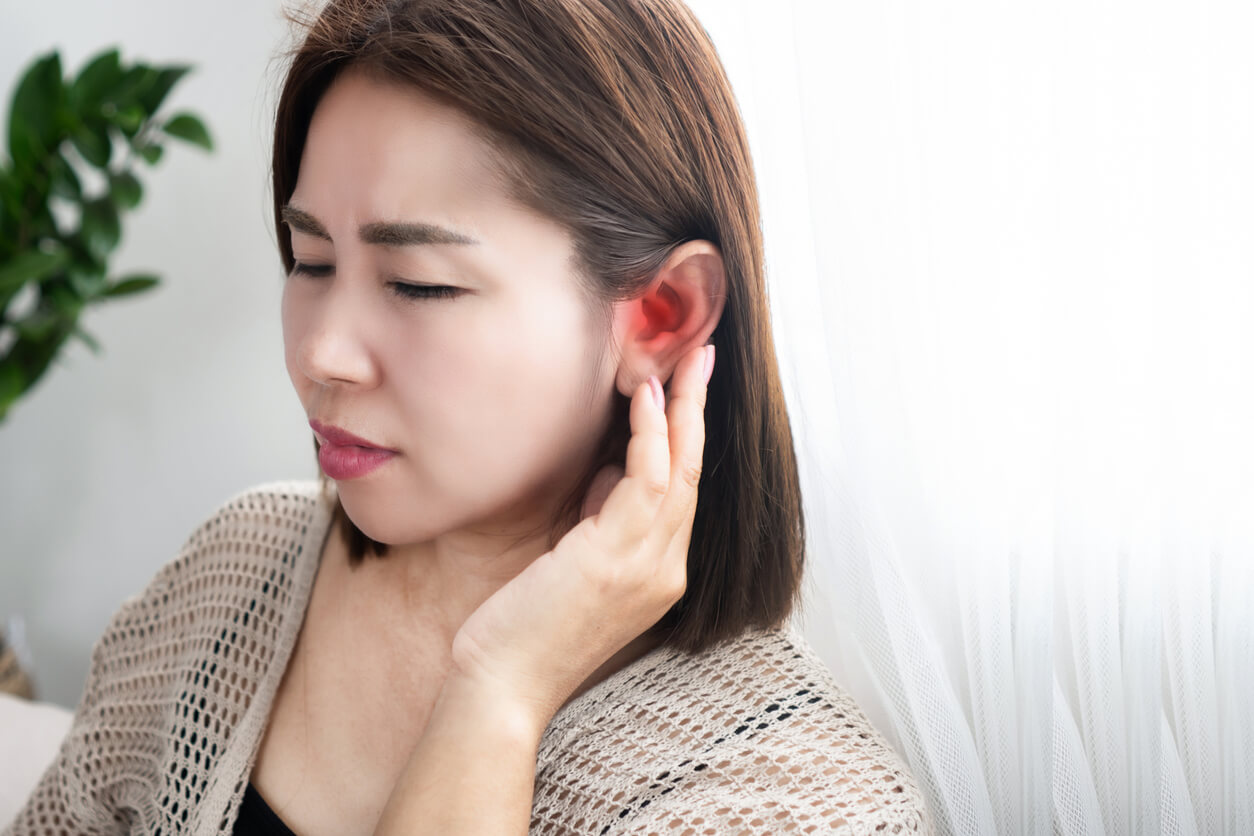
In short, while often considered a childhood ailment, ear infections in adults require distinct medical attention and specific treatment approaches.
- Adult anatomy differs. Fully developed Eustachian tubes change drainage.
- Antibiotics are often necessary. Watchful waiting is less common.
- Underlying causes can vary. Chronic conditions may contribute significantly.
Many people assume ear infection treatment is a concern reserved strictly for toddlers and young children, yet adults suffer from this condition frequently. You might feel surprised to learn that the approach to managing these infections changes significantly as you age. Adult ears have different anatomical structures and risk factors than those of children.
This distinction means that medical providers must evaluate your symptoms through a different lens. A simple earache in an adult can sometimes signal more complex underlying health issues. Understanding these differences ensures that you seek the right care at the right time.
Why Do Adults Get Ear Infections?
You might associate ear infections with childhood because children have shorter and more horizontal Eustachian tubes. These tubes drain fluid from the middle ear to the back of the throat. When they swell or become blocked, fluid builds up and causes infection.
Adults have more vertical and wider Eustachian tubes that drain more efficiently. However, infections still occur when these tubes become swollen due to a cold, flu, or allergies. Smoking or exposure to secondhand smoke also increases the risk significantly.
Immune System Factors
Children have developing immune systems that are highly susceptible to viruses and bacteria. Adults generally have stronger immunity, but are not invincible against specific pathogens.
Chronic conditions like diabetes or immune disorders can weaken your defenses. This vulnerability allows bacteria to thrive in the ear canal or middle ear.
Environmental Triggers
Adults often expose themselves to different environmental risks than children. For example, frequent swimming or cleaning ears aggressively can damage the skin barrier.
This damage creates an entry point for bacteria. Such habits often lead to external ear infections rather than the middle ear infections common in children.
What Are the Symptoms of an Ear Infection in Adults?
The signs of an infection can manifest differently in adults compared to younger patients. You will likely notice persistent pain inside the ear structures that does not subside.
This discomfort often feels like a dull, throbbing pressure. It might escalate to sharp, stabbing sensations that radiate down the neck or jaw.
Hearing Changes
You may experience muffled hearing or a feeling of fullness in the ear. This occurs because fluid accumulation prevents the eardrum from vibrating correctly.
Some adults report a ringing sensation known as tinnitus. This symptom can persist even after the initial pain subsides.
Drainage and Fever
Fluid drainage from the ear is a clear warning sign of infection. This fluid might look clear, yellow, or even bloody, depending on the severity.
While fever is less common in adults than in children, it can still occur. A high fever usually indicates a more severe bacterial infection requiring prompt attention.
How Is Ear Infection Treatment Different for Adults?
The approach to ear infection treatment for adults focuses more heavily on immediate intervention rather than the “watchful waiting” often used for children. Pediatric guidelines often recommend waiting two to three days to see if the immune system fights the virus.
For adults, healthcare providers typically prescribe medication sooner. This is because adult infections are less likely to resolve spontaneously without complications.
The Role of Antibiotics
A study published in Family Practice highlights how frequently antibiotics are utilized in adult cases. The researchers found that oral antibiotics were prescribed in 46% of acute otitis media episodes in adults.
Amoxicillin (Amoxil) remains the most common choice for these bacterial infections.
Topical Treatments
Topical treatments are also widely used for specific types of infections. The same study noted that topical antibiotics were prescribed in approximately 21% of cases.
These drops are particularly effective for outer ear infections.
Recent Research on Adult Ear Infections
Understanding the global impact of these infections helps medical professionals improve care standards. A recent study published in Ear & Hearing analyzed the burden of otitis media from 1990 to 2019.
The data reveals that while incidence decreases with age, young adults still account for a significant portion of cases. This research underscores the importance of accessible ear infection treatment for adult populations globally.
What Types of Ear Infections Are Common in Adults?
It helps to understand which specific type of infection you might have. The location of the infection dictates the treatment plan.
Middle Ear Infection (Otitis Media)
This type affects the air-filled space behind the eardrum. It usually follows a respiratory illness like a cold or sinus infection.
Bacteria or viruses cause inflammation and fluid buildup. Treatment often involves oral antibiotics like amoxicillin (Amoxil) or augmentin (Augmentin).
Swimmer’s Ear (Otitis Externa)
This infection occurs in the outer ear canal that runs from your eardrum to the outside of your head. It is frequently caused by water remaining in the ear after swimming.
This moisture creates a breeding ground for bacteria. Doctors typically treat this with antibiotic ear drops such as ciprofloxacin (Cipro).
How to Manage Earaches at Home?
While waiting for your medical appointment, you can manage the earache at home. Over-the-counter pain relievers are generally effective for reducing inflammation.
Warm Compresses
Applying a warm, damp washcloth to the affected ear can soothe discomfort. The heat helps increase blood flow to the area.
Rest and Hydration
Your body needs energy to fight off the infection. Resting allows your immune system to function more efficiently.
Drinking plenty of water helps thin mucus and fluids. This can facilitate better drainage from the Eustachian tubes.
When Should You Seek Medical Care?
You should not ignore persistent ear pain or assume it will vanish on its own. Seeking ear infection treatment promptly prevents complications like permanent hearing loss.
Visit an urgent care center if your pain is severe. Immediate care is also necessary if you notice fluid discharging from the ear.
Warning Signs
Seek help if you experience a stiff neck or severe headache. These could be signs that the infection has spread.
Dizziness or loss of balance also warrants a professional evaluation. These symptoms suggest the inner ear is involved.
How Can You Prevent Future Infections?
Prevention is always preferable to seeking a cure. Adults can take specific steps to lower their risk of developing ear infections.
Keep Ears Dry
Dry your ears thoroughly after swimming or bathing. Tilt your head to the side to let water escape.
You can also use a hair dryer on the lowest setting. Hold it several inches away from the ear to dry the canal safely.
Avoid Cotton Swabs
Do not insert cotton swabs or other objects into your ear canal. This pushes wax deeper and can damage the delicate skin.
Manage Allergies
If you suffer from seasonal allergies, keep them under control. Inflammation from allergies causes congestion in the Eustachian tubes.
Get Expert Ear Infection Treatment in Georgetown, TX
You do not have to suffer through the discomfort of an ear infection alone. The team at Georgetown ENT understands that adult ear pain requires specialized attention.
Our board-certified Dr. Scott Franklin provides comprehensive evaluations and personalized care plans. We offer on-site diagnostics to determine the exact cause of your symptoms quickly.
To schedule an appointment, call our office at (512) 869-0604 or request an appointment online. We look forward to helping you!
